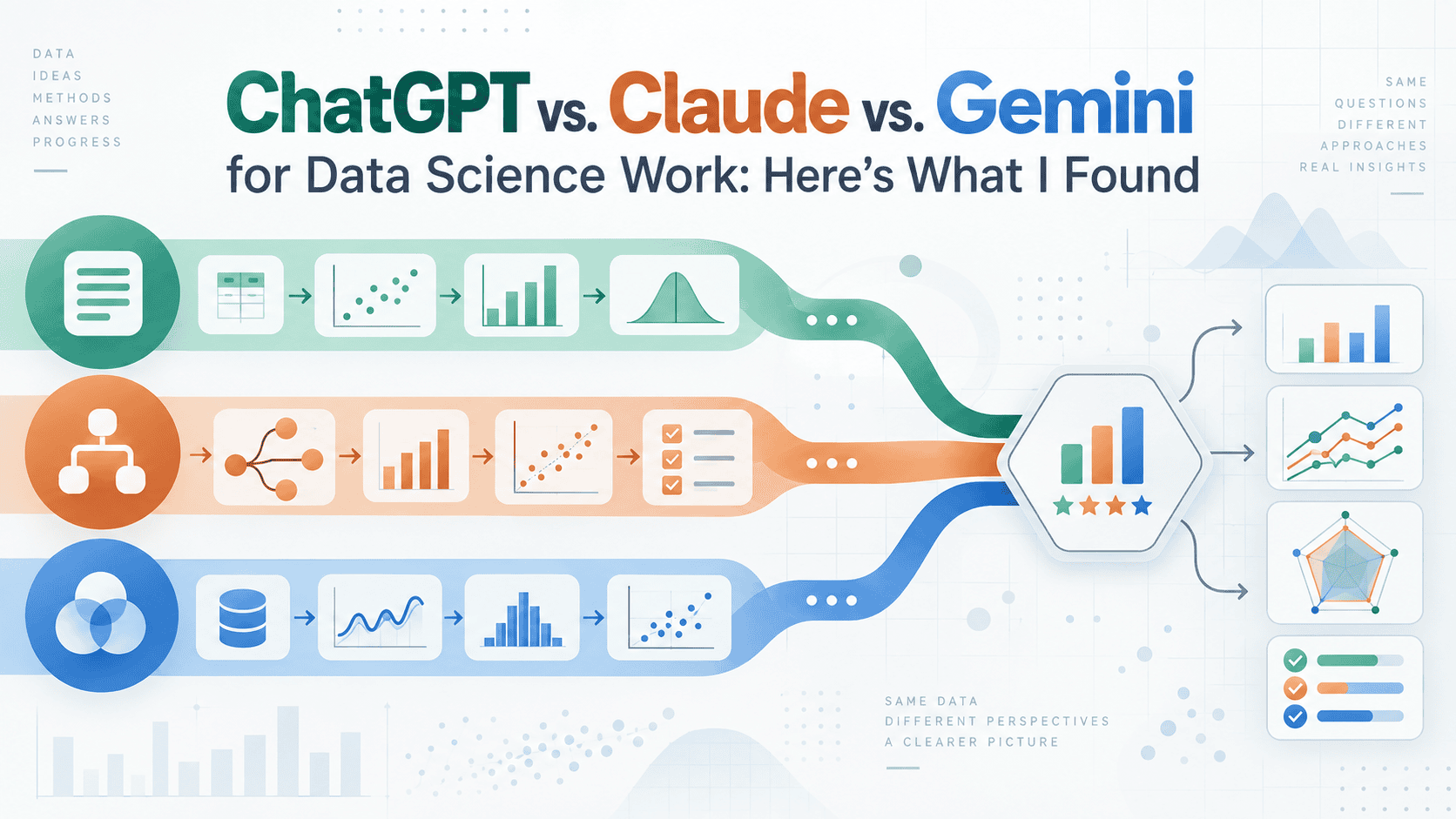
ChatGPT vs. Claude vs. Gemini for Data Science Work
A hands-on comparison of ChatGPT, Claude, and Gemini across data science tasks including EDA, code generation, and statistical reasoning.
A hands-on comparison of ChatGPT, Claude, and Gemini across data science tasks including EDA, code generation, and statistical reasoning.
EmbeddingGemma 2 unifies text, code, images, video, and audio in one shared embedding space. This guide covers its architecture, benchmarks, and practical usage
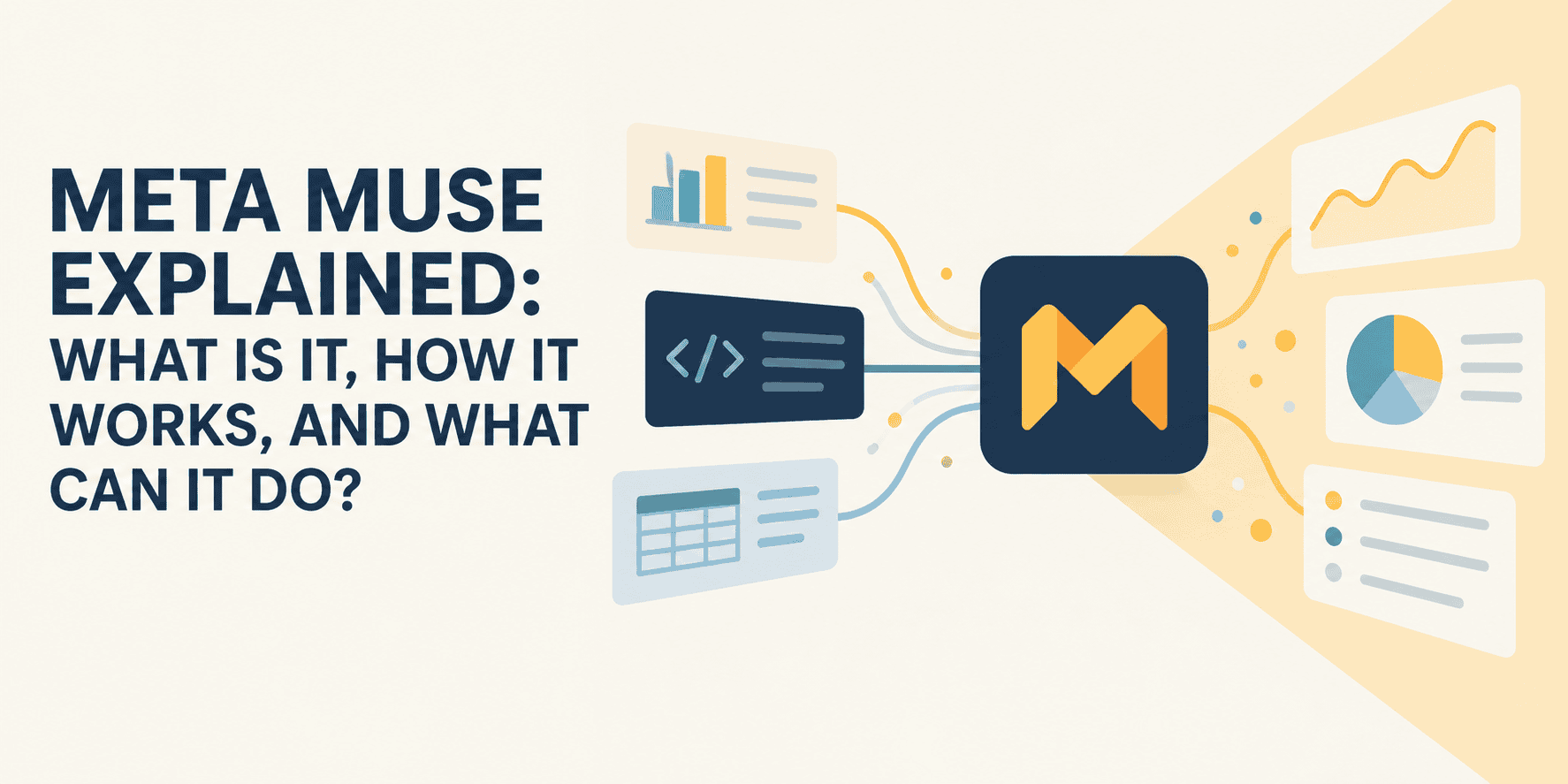
Meta Muse is a personal AI agent that plans, takes actions, and works in the background to complete real-world tasks on your behalf.
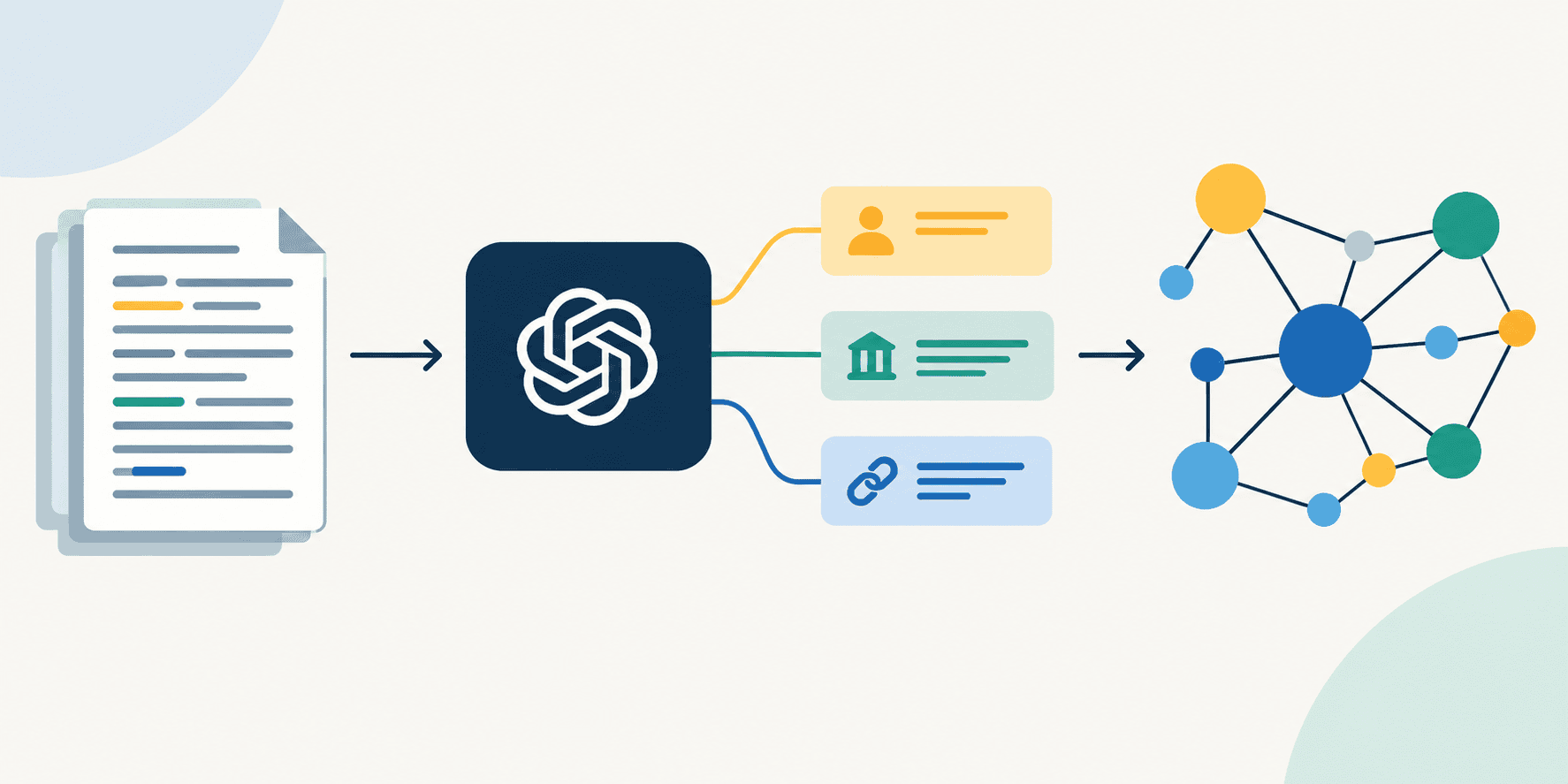
Learn how to extract structured SPOC quads from raw text using a local Llama 3.2 model via Ollama and load them into a QuadStore knowledge graph.
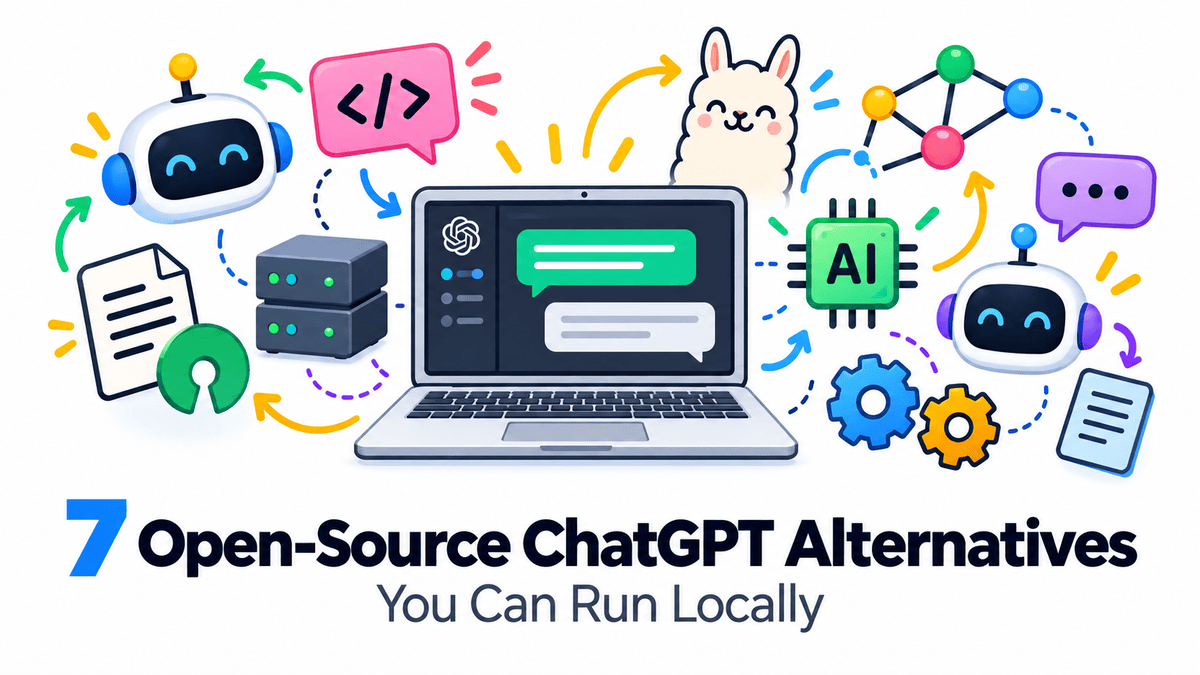
Seven open-source tools let you run a ChatGPT-style AI workspace locally. Covers chat, document workflows, agents, and team deployments.
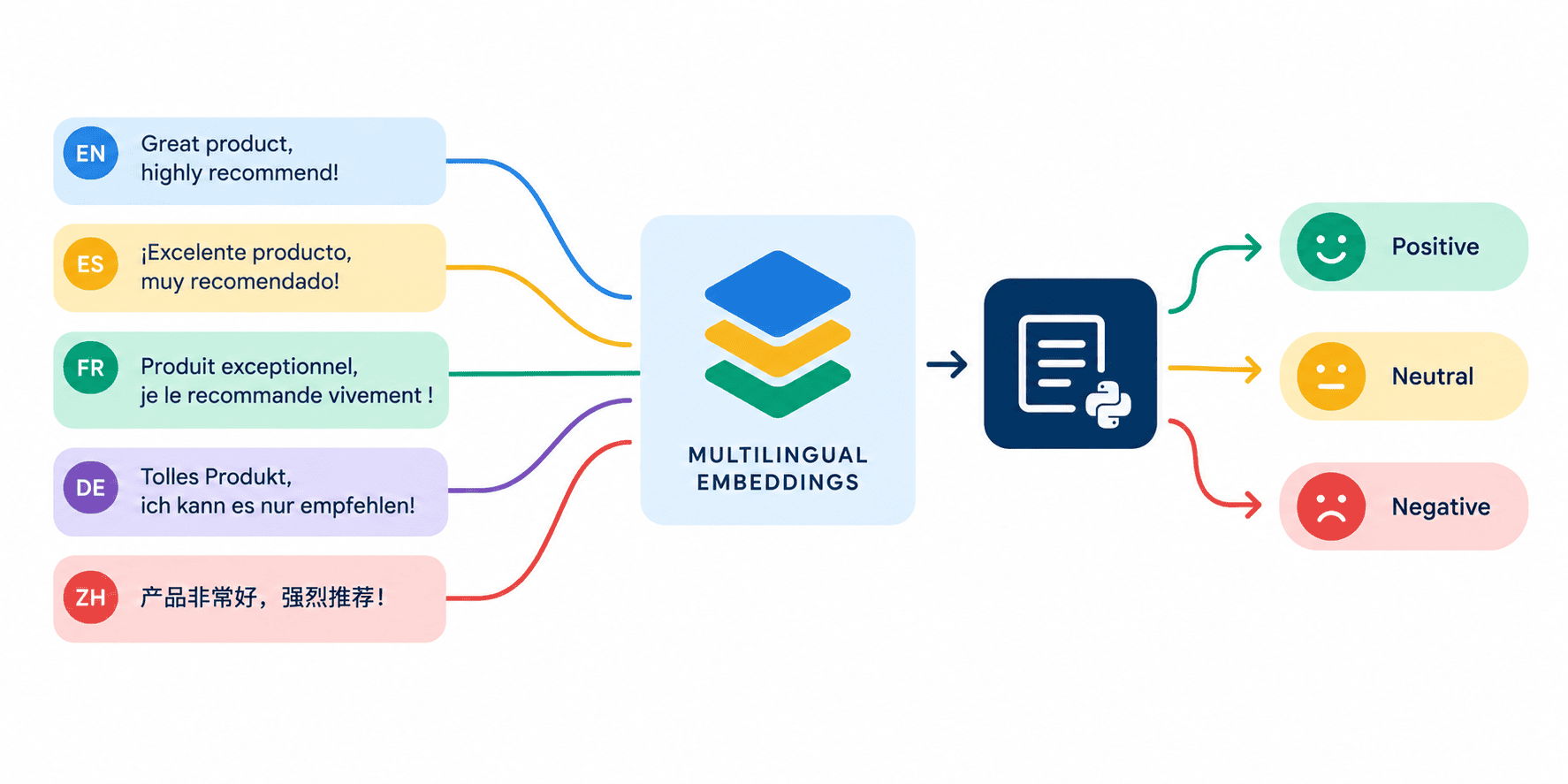
Learn how to build a multilingual text classification pipeline using BGE-M3 embeddings, Ollama, and Scikit-LLM—no language-specific models required.
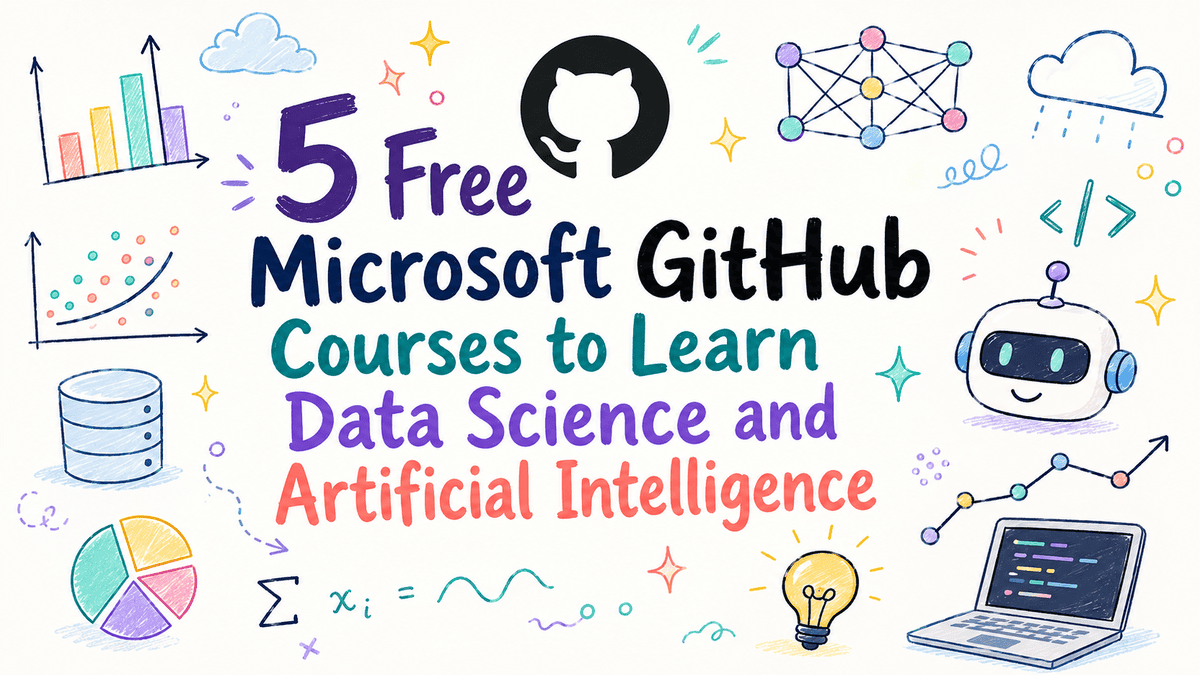
Microsoft offers five free, structured GitHub curricula covering data science, machine learning, generative AI, and AI agents — no paid courses required.
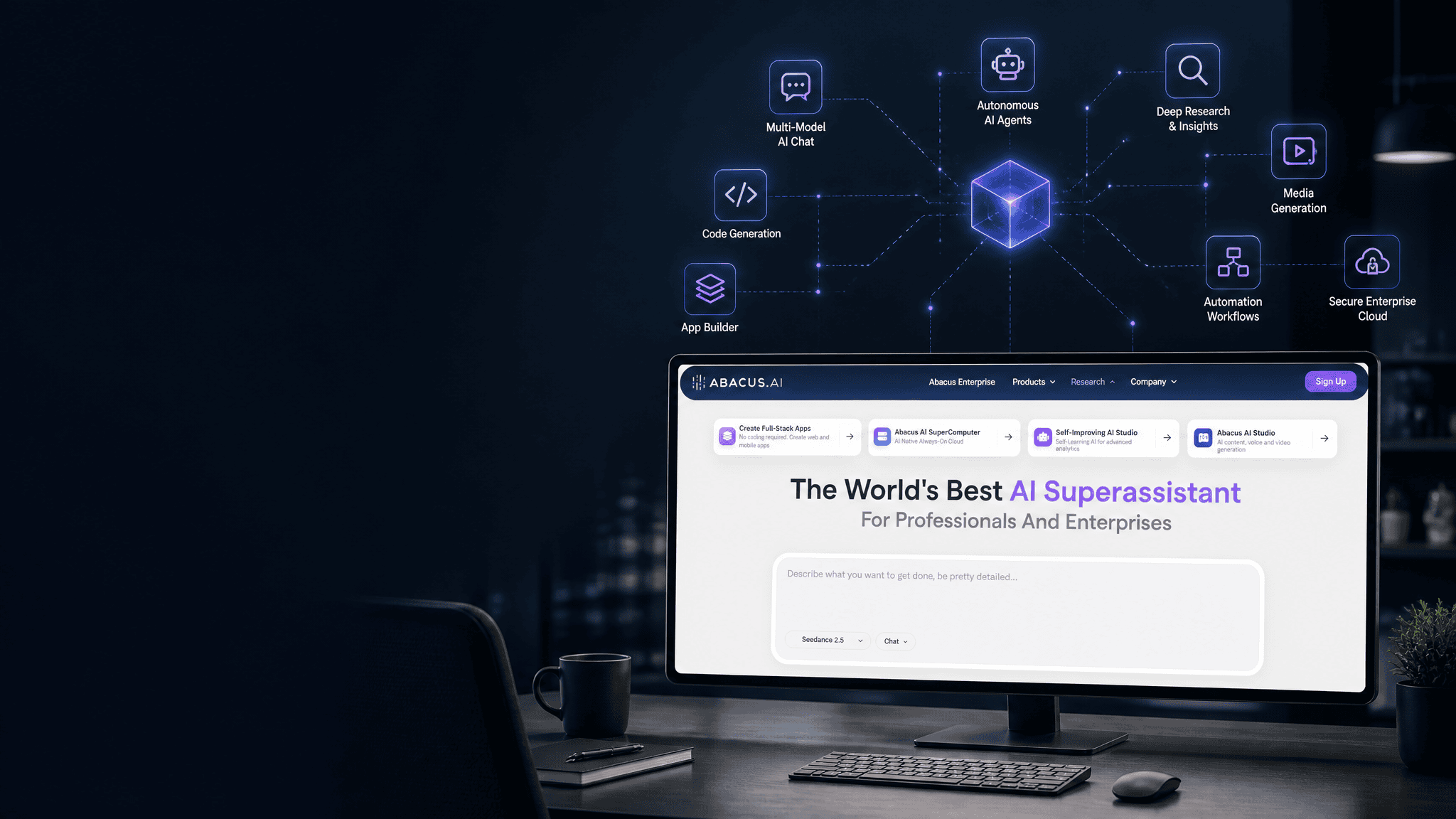
Abacus AI bundles multi-model chat, agents, and infrastructure into one subscription. Here's what it actually delivers and where it falls short.
Grok Bot executes workflows autonomously using skills, routines, and plugins. This tutorial walks through building two practical automation bots step by step.
Traces the sigmoid function's origins from compound interest and Euler's number to its role as an activation function in neural networks.
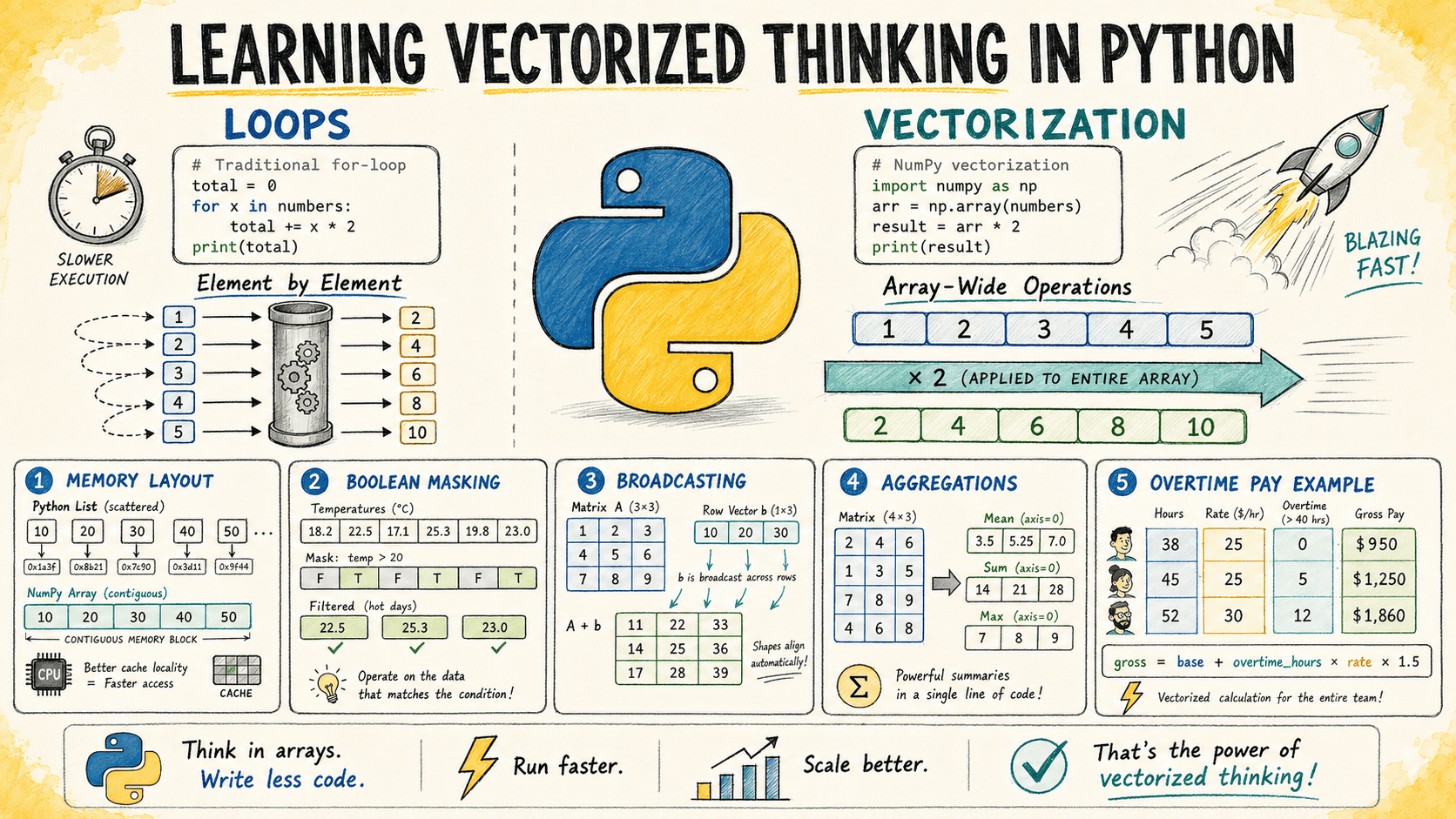
Replace slow Python loops with efficient NumPy vectorized operations. Learn element-wise ops, boolean masking, broadcasting, and axis-based aggregation.
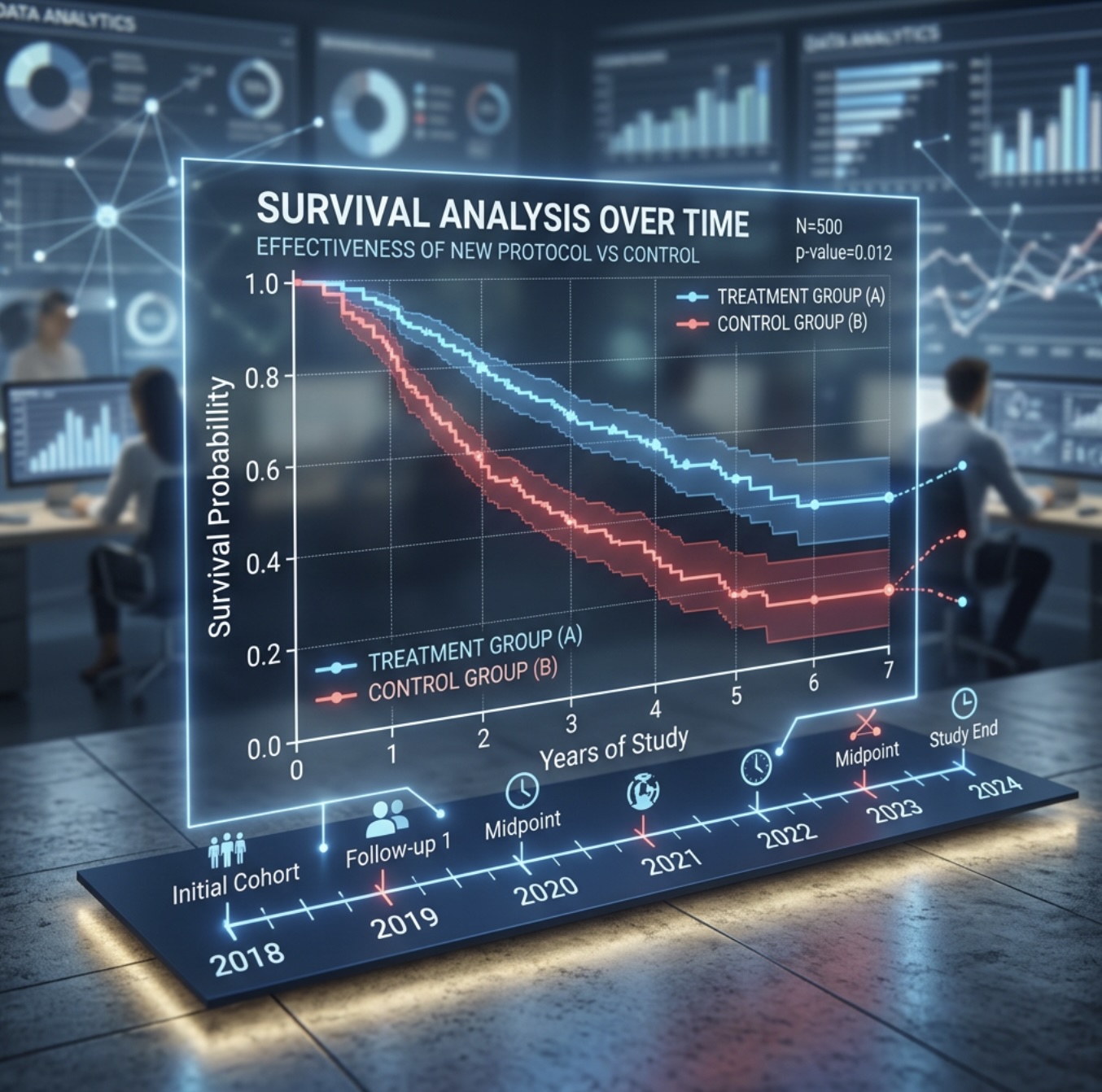
Survival analysis handles censored data that ordinary regression cannot. This guide covers Kaplan-Meier estimation and Cox proportional hazards regression in Py