5 Best Resources to Learn About World Models in 2026
World models are a fast-growing AI research area. These five resources take you from RL fundamentals to modern architectures like Dreamer and Genie.
World models are a fast-growing AI research area. These five resources take you from RL fundamentals to modern architectures like Dreamer and Genie.
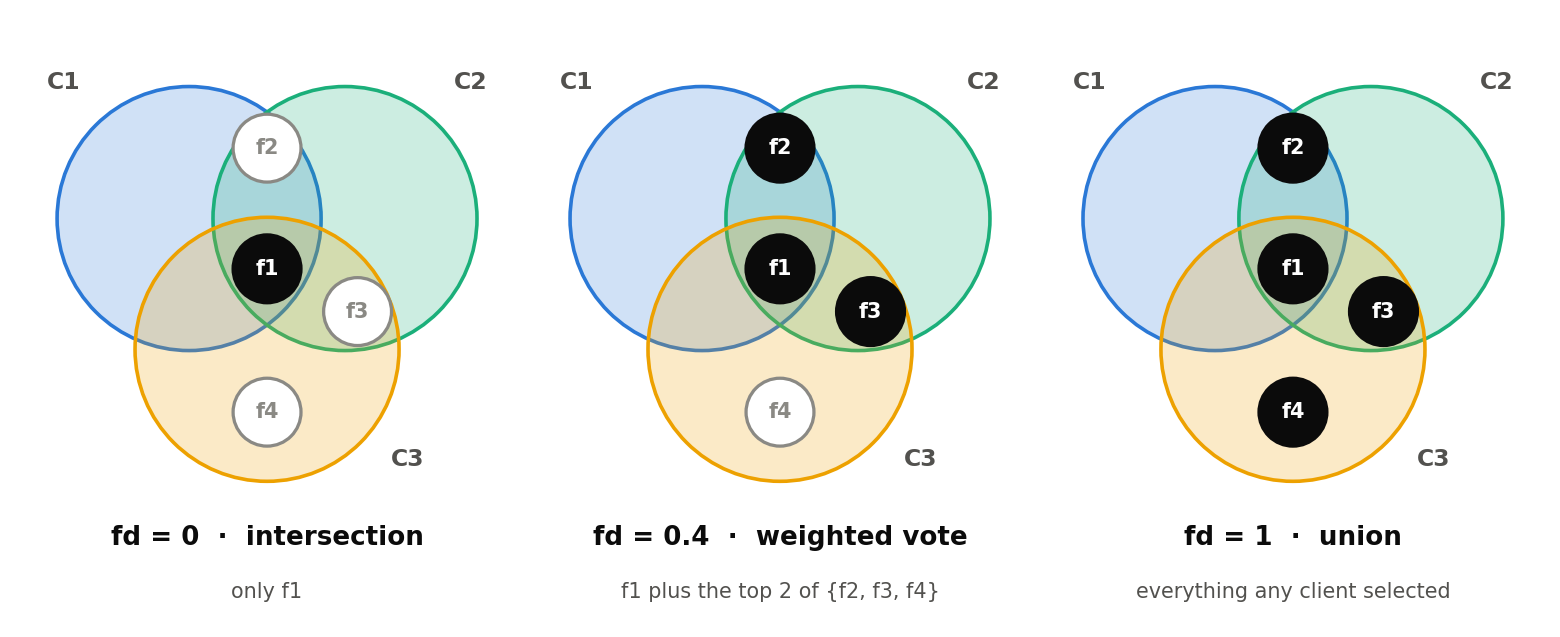
Feature Election lets federated learning sites vote on which features to keep using local selectors, without sharing any raw data rows.
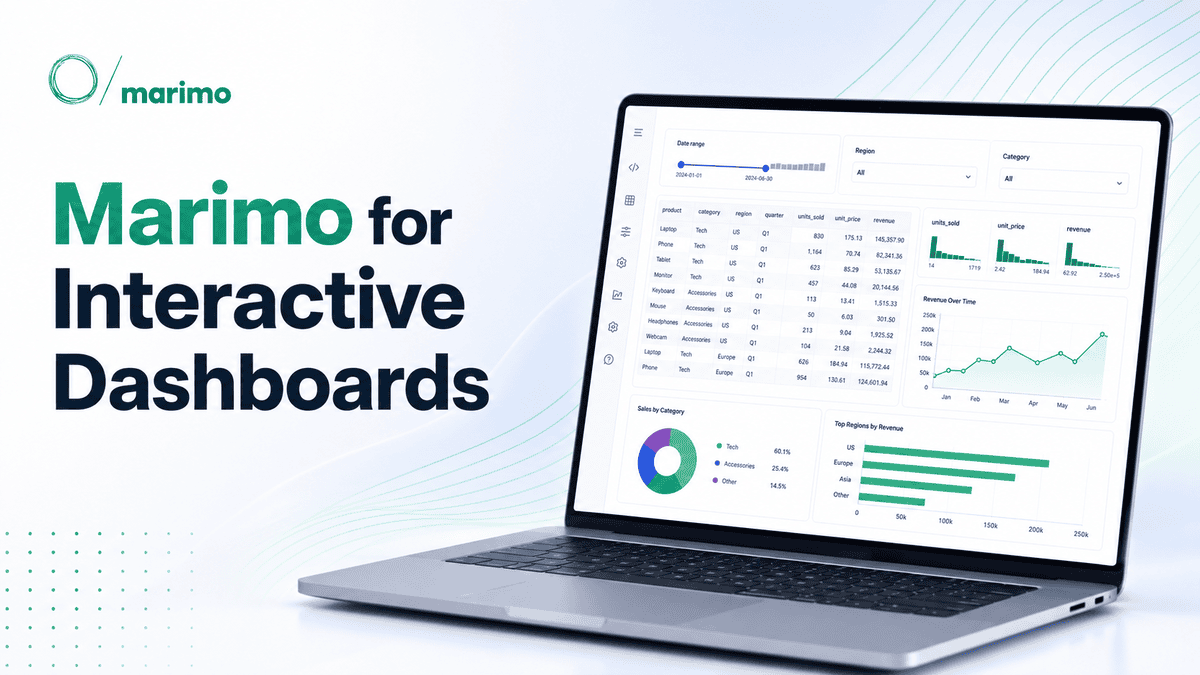
Marimo is a reactive Python notebook that auto-updates cells and runs as a shareable app. Build interactive dashboards with Pandas and Altair.
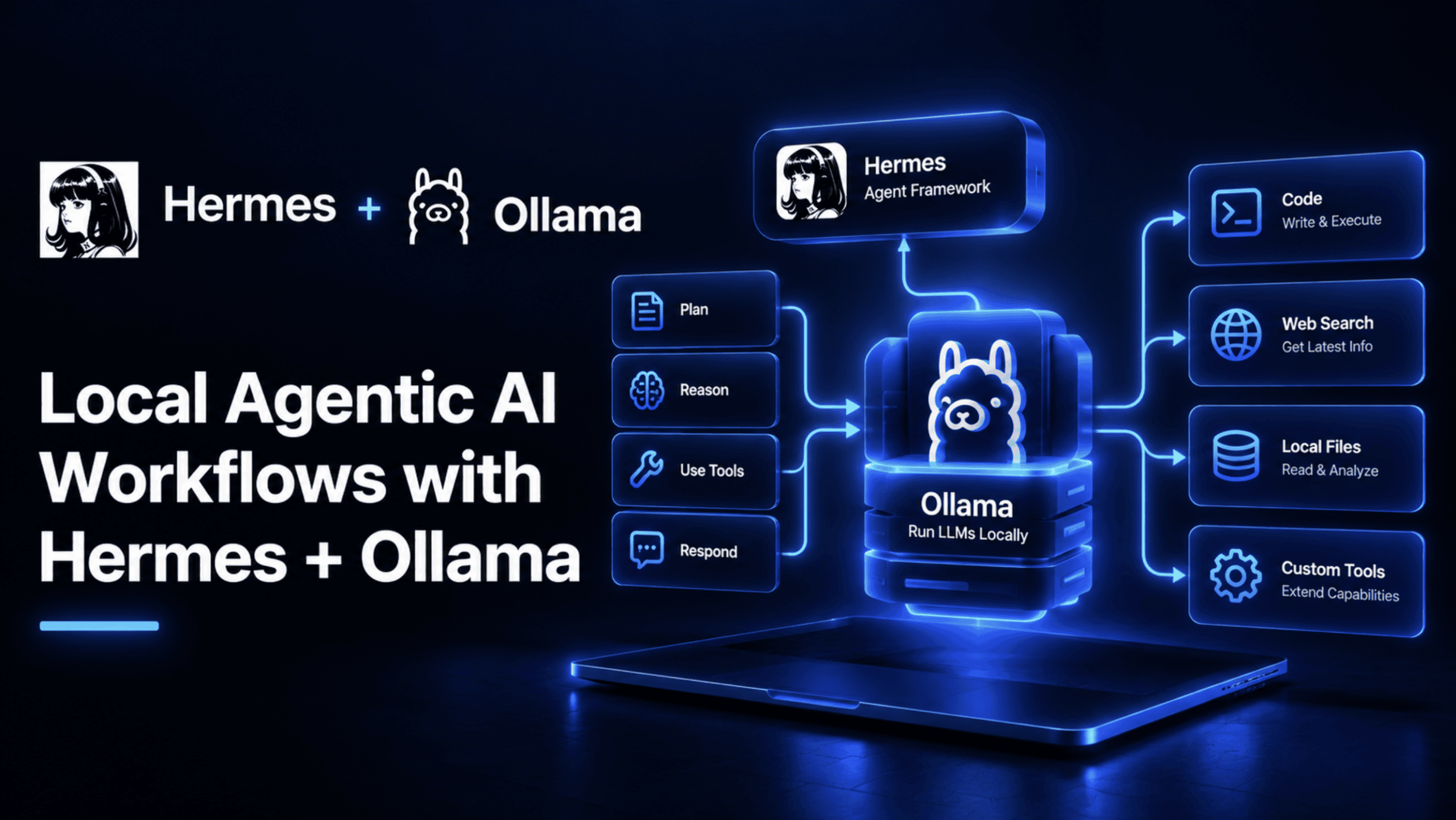
Build a fully local, zero-cost agentic AI workflow using Hermes Agent and Ollama. Keep your files, code, and conversations on your own hardware.
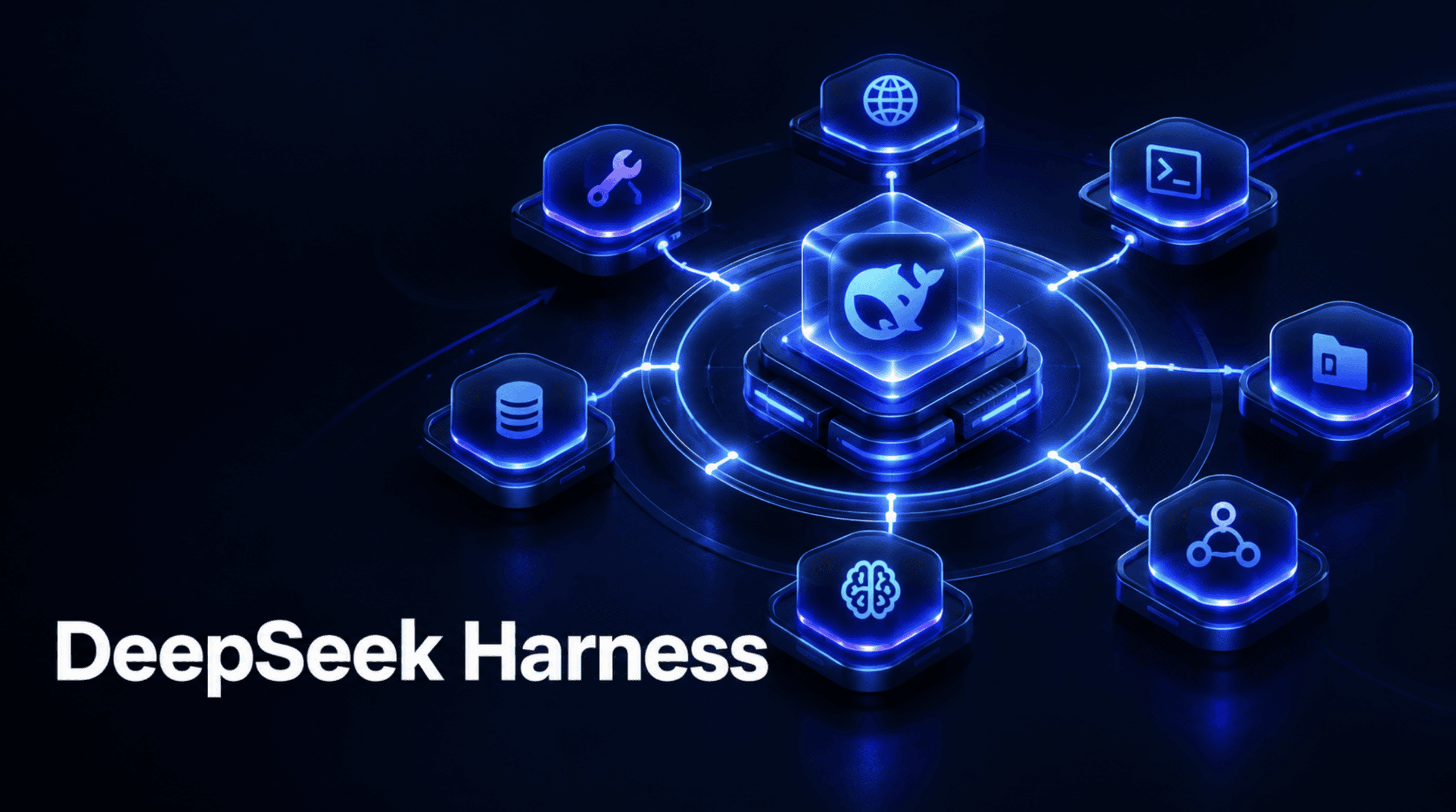
DeepSeek Harness is an open-source agent runtime where every layer is a plugin. Here's what it actually does and who should care.
Google bid $10M for Spirit Airlines' emails and internal messages. Here's how to estimate what your own operational data is worth.
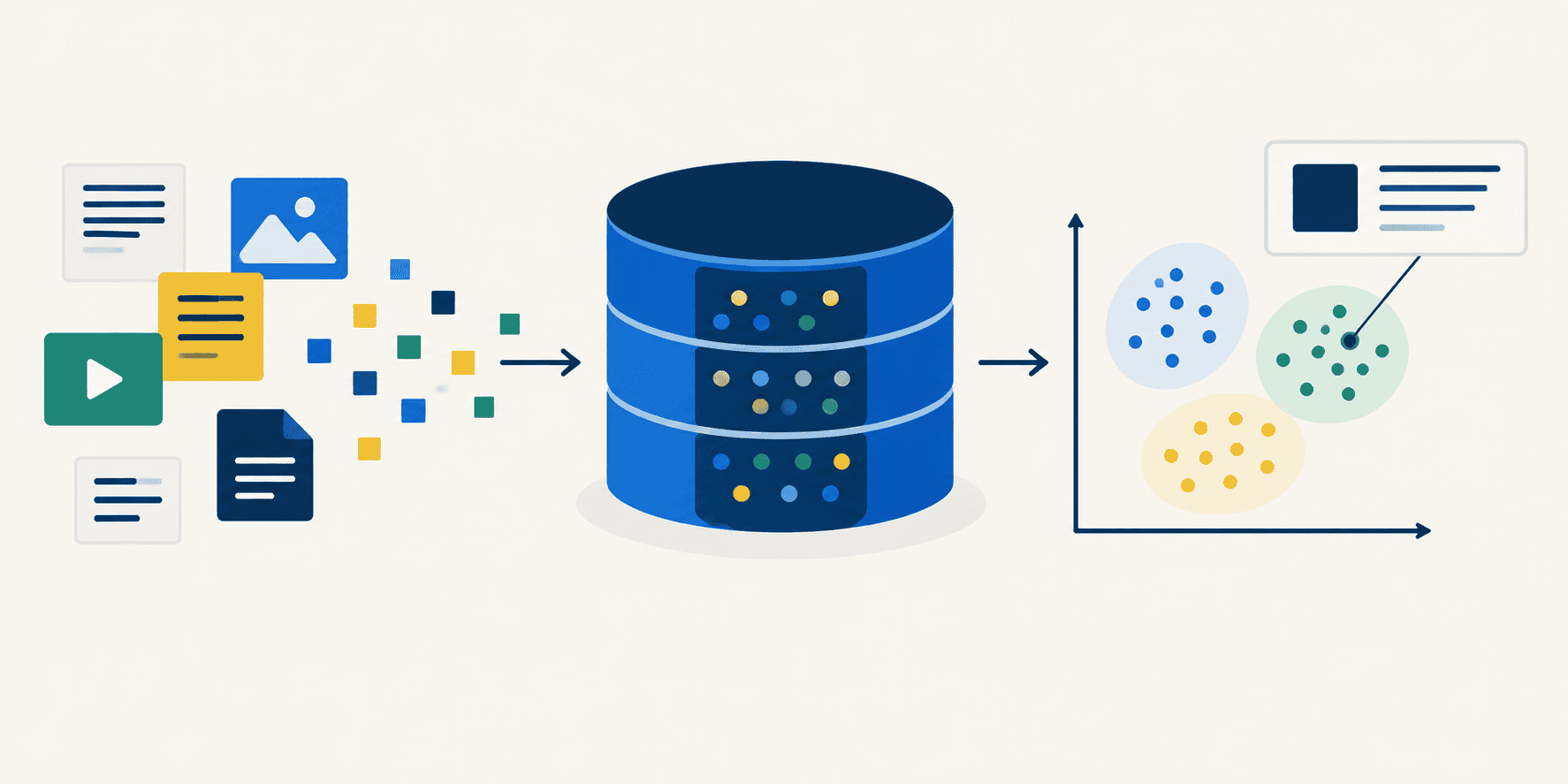
Learn how vector databases work by building one from scratch using Python and NumPy in ten incremental steps. No GPU or API key required.
Learn how to build a functional data lakehouse using DuckDB and the DuckLake extension, covering local and S3-backed Parquet storage for near-zero cost.
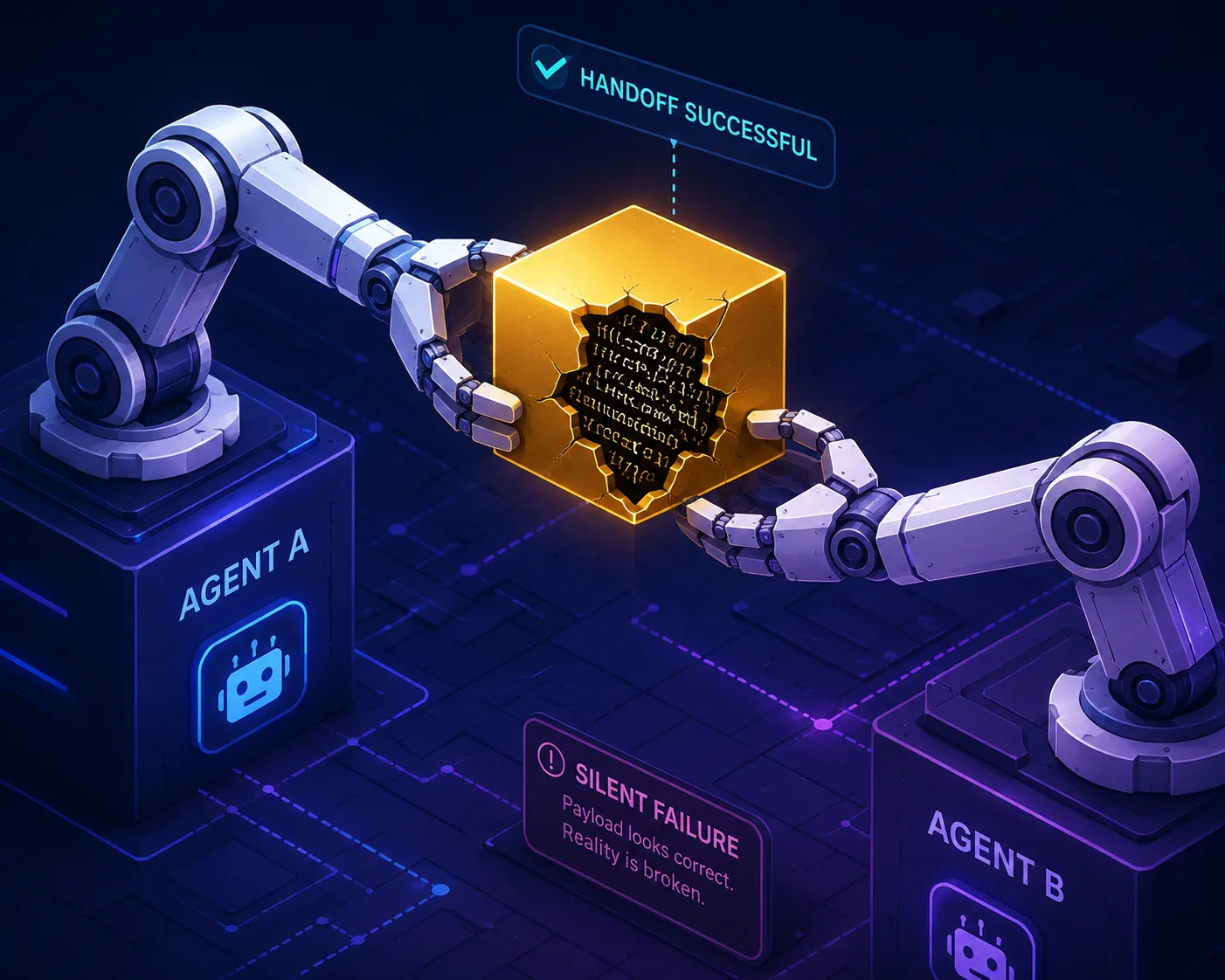
Multi-agent pipelines often fail not with errors, but with valid-looking outputs built on corrupt data. Here's an architecture to catch it.
August 2026's top GitHub repositories focused on agent harnesses, skills, memory layers, and document tooling — with one repo gaining 190K+ stars in four weeks.
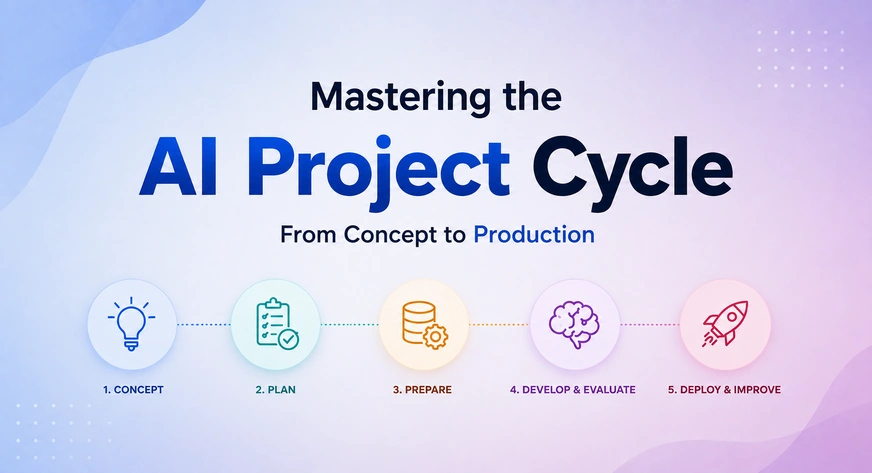
A structured guide to the seven stages of an AI project lifecycle, covering problem definition, data, modeling, evaluation, deployment, and monitoring.
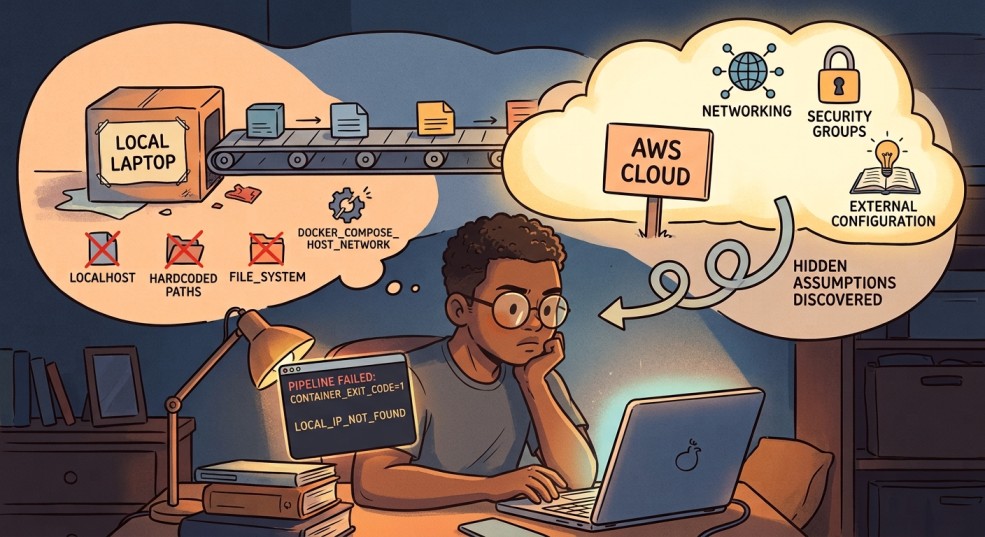
A developer moves a working local data pipeline to AWS EC2 and discovers every hidden assumption baked into single-machine setups.