Few-Shot Text Classification with Scikit-LLM
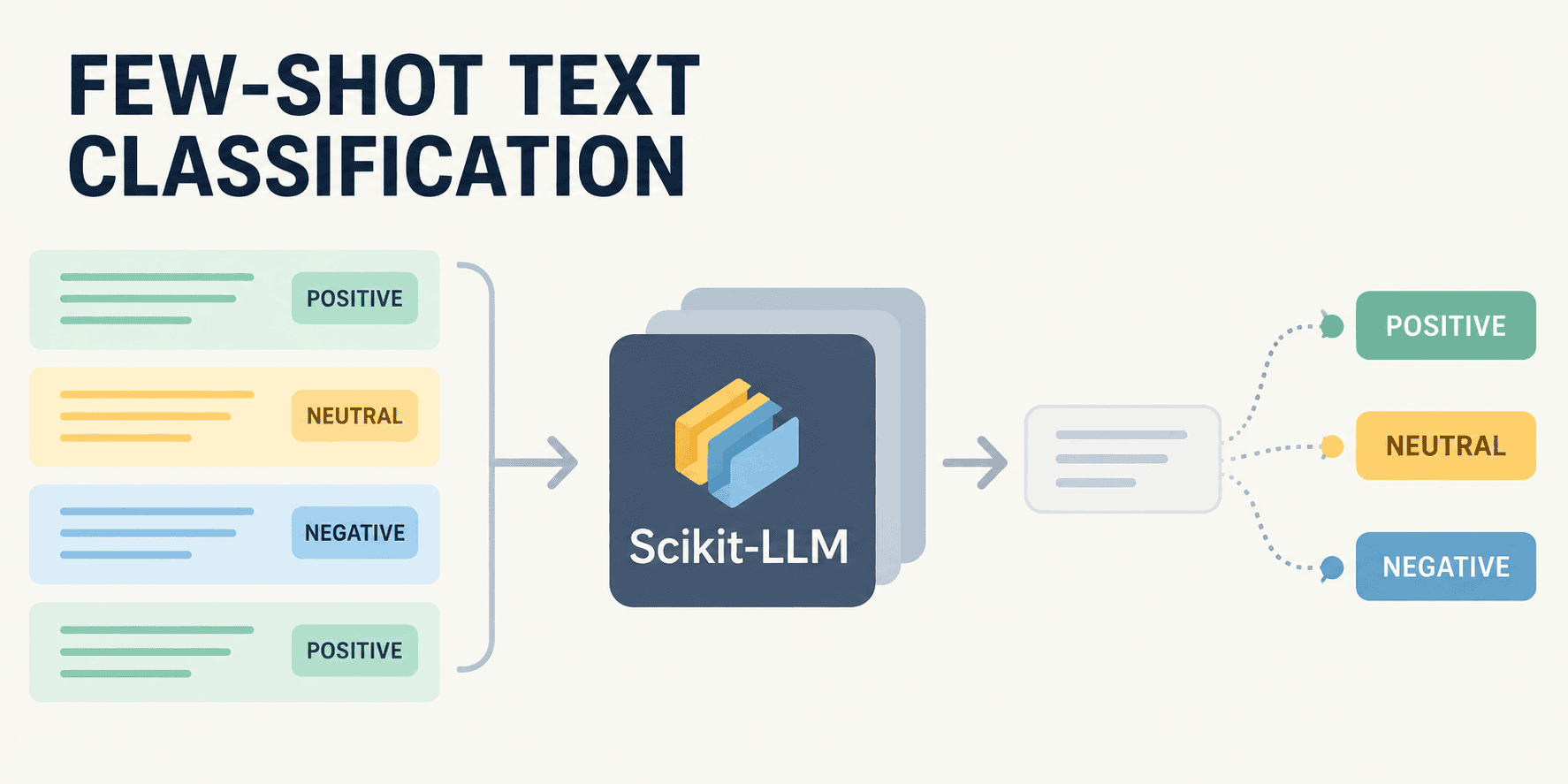
Scikit-LLM bridges LLMs and scikit-learn for few-shot text classification. Classify new text accurately with just a handful of labeled examples.
Scikit-LLM bridges LLMs and scikit-learn for few-shot text classification. Classify new text accurately with just a handful of labeled examples.
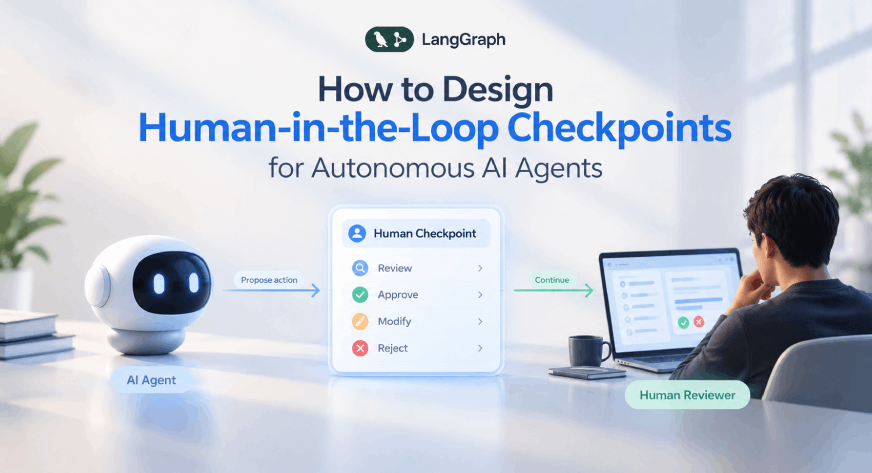
Learn how to build a LangGraph refund agent that pauses for human approval before executing financial actions using interrupt() checkpoints.
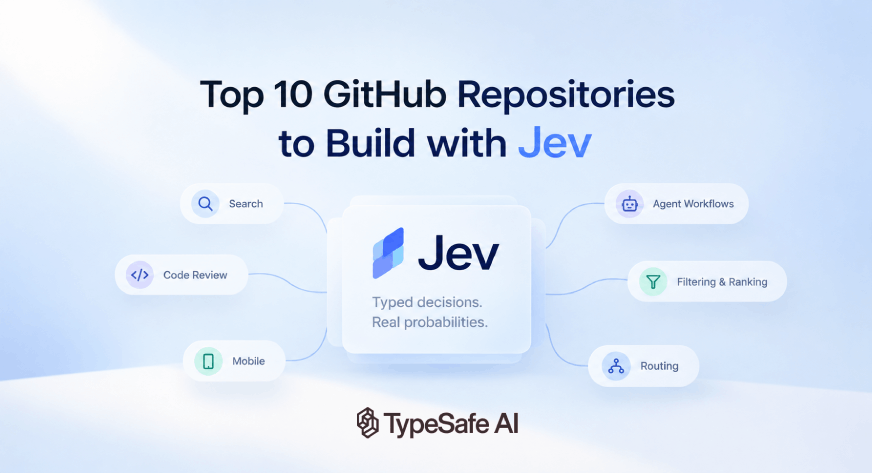
Jev turns agent decisions into typed outputs with probabilities. Here are ten GitHub repositories showing practical ways to build with it.
A curated guide to 10 solved AI projects spanning machine learning to generative AI, with tools, learning outcomes, and source code links.
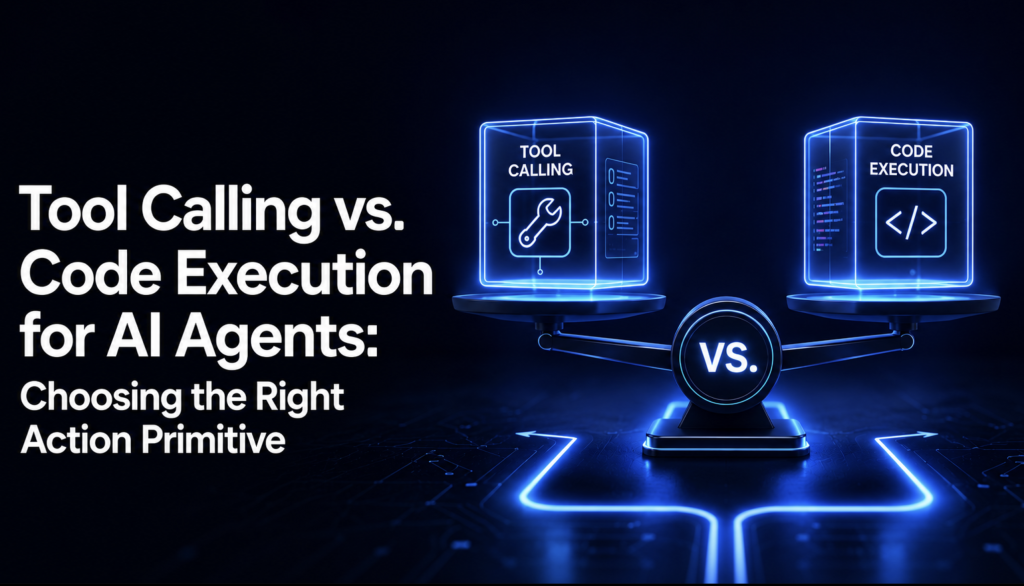
Learn how tool calling and code execution differ as agent action primitives, and when to choose each based on cost, latency, and accuracy.
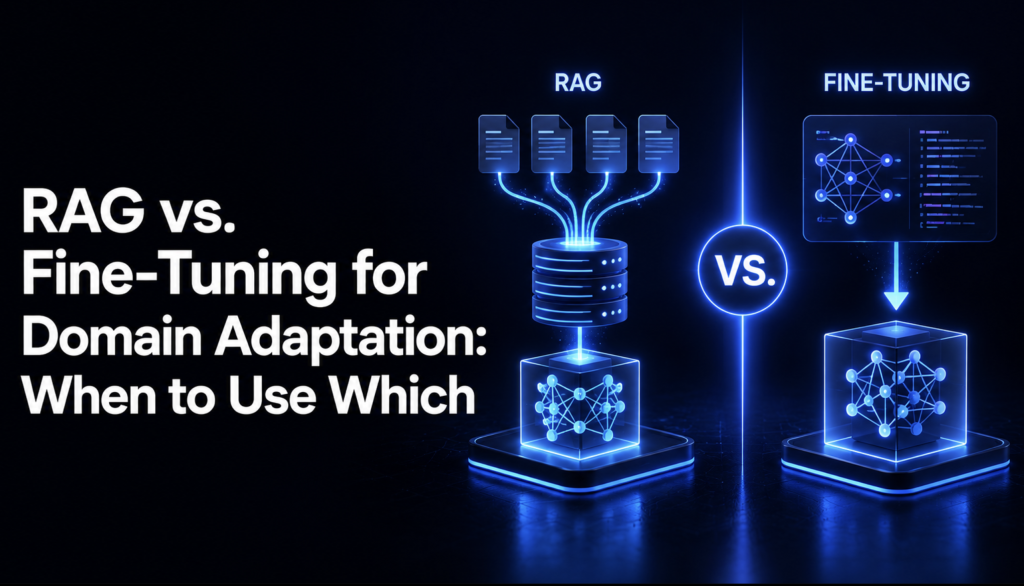
RAG and fine-tuning solve different problems. Learn the mechanical difference, see working code examples, and use a six-point framework to decide.
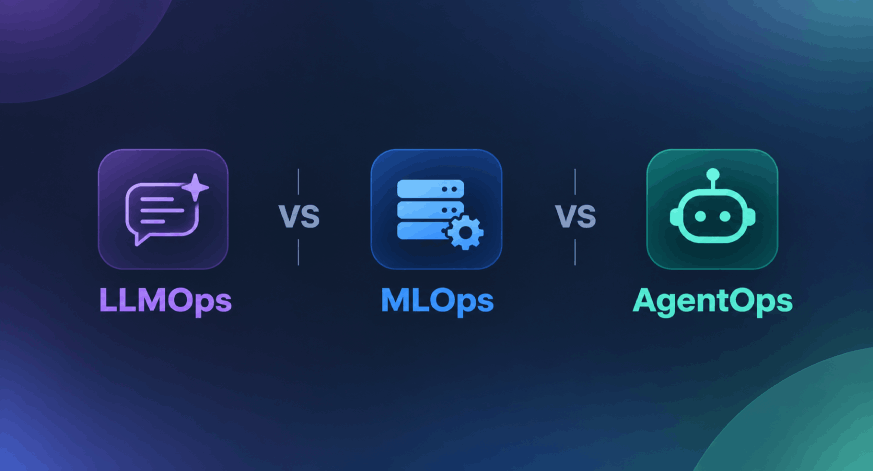
MLOps, LLMOps, and AgentOps solve different operational problems. Learn how observability evolves as AI systems move from prediction to action.
We're wired to reason like Bayesians but trained as frequentists. Here's why that gap exists and what it means for how we understand probability.
Static agent skills are caches with no invalidation. Here's an architecture that separates authored procedure from live fact resolution.
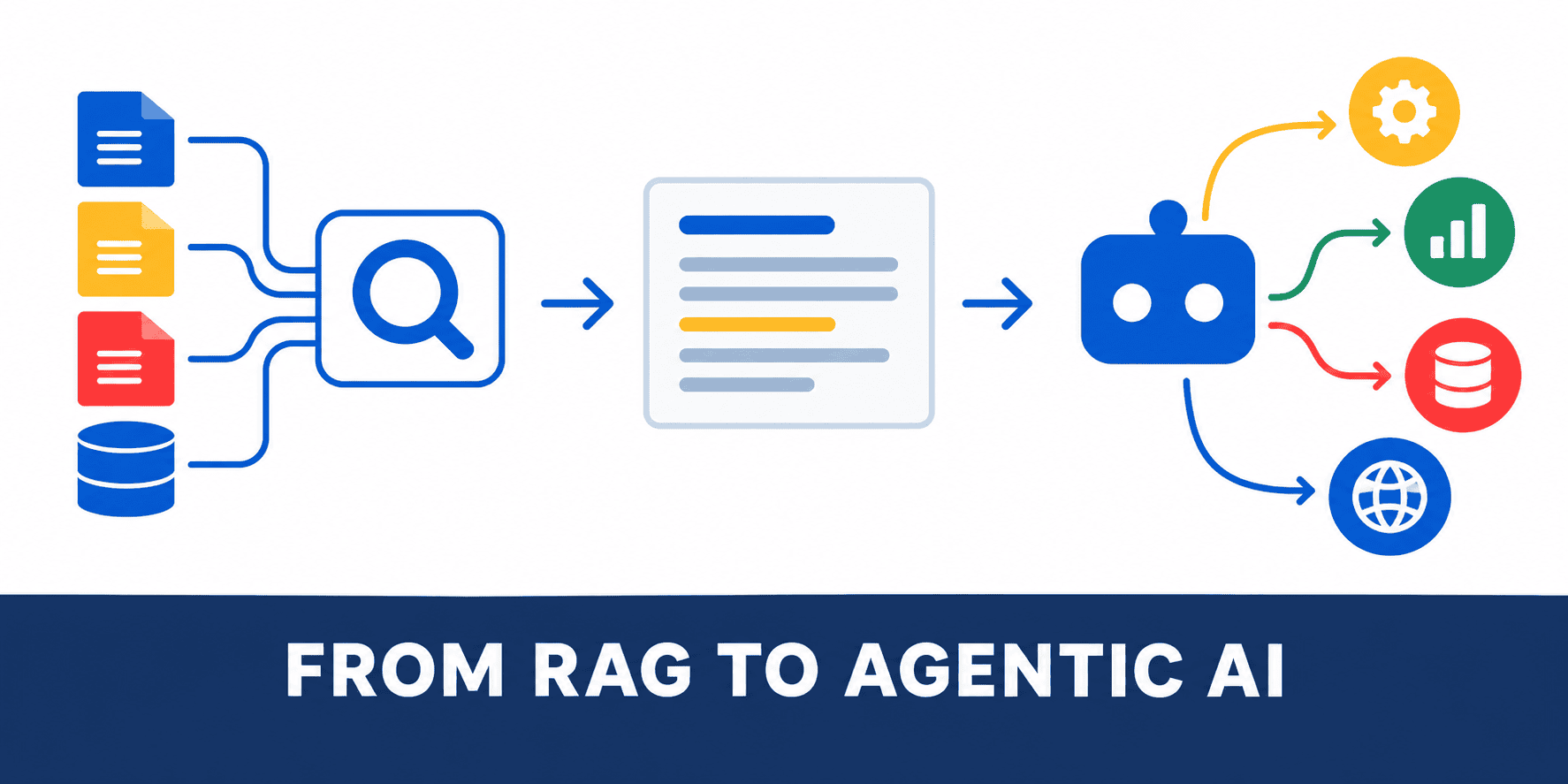
Three generations of enterprise AI retrieval systems—from hybrid RAG to agentic architectures—and the engineering principles that make them work in production.
OpenAI's GPT-6 Astra adds computer use, persistent memory, and document generation. Here's what changed, the benchmark numbers, and where caveats apply.
Standard neural networks output single predictions with no uncertainty. Bayesian Neural Networks fix this by replacing point weights with probability distributi